

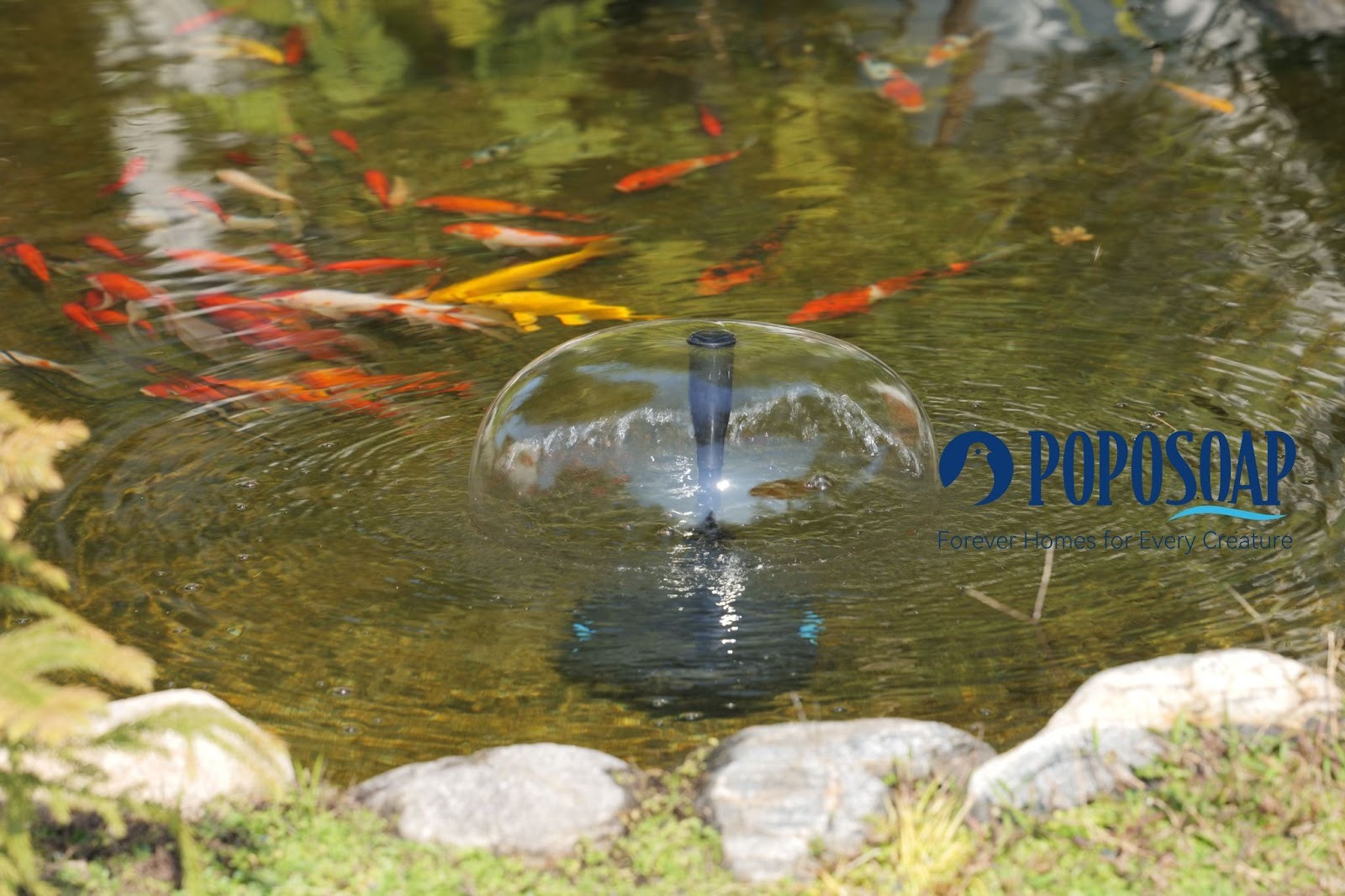
Ever dreamt of turning your backyard into a peaceful escape filled with life and color?
You can by building your very own koi pond. These stunning ornamental fish not only bring beauty but also add a soothing, therapeutic presence that many garden lovers cherish. Though it may seem daunting at first, with the right planning and guidance, creating your personal aquatic retreat is absolutely achievable and deeply rewarding.
Contents
- 1 Why Build a Koi Pond?
- 2 Step 1: Choose the Right Location
- 3 Step 2: Plan the Size and Shape
- 4 Step 3: Start Digging the Pond
- 5 Step 4: Install the Underlayment and Pond Liner
- 6 Step 5: Set Up the Filtration and Pump System
- 7 Step 6: Create a Waterfall and Stream
- 8 Step 7: Add Rocks and Gravel
- 9
- 10 Step 8: Fill the Pond with Water
- 11 Step 9: Add Plants to Balance the Ecosystem
- 12 Step 10: Install Filtration Components
- 13 Step 11: Introduce Your Koi Fish
- 14 Step 12: Maintain Your Koi Pond
- 15 Common Mistakes to Avoid
- 16 Benefits of Building a Koi Pond
- 17 Final Thoughts
Why Build a Koi Pond?
Before diving into the technical details, it is helpful to understand the benefits of adding a koi pond to your property.
- Aesthetic Appeal: Koi ponds offer a tranquil and attractive focal point for any garden or backyard.
- Therapeutic Value: Watching koi swim can be incredibly relaxing and meditative.
- Wildlife Support: Koi ponds attract birds, dragonflies, frogs, and other beneficial wildlife.
- Eco Friendly Landscaping: Ponds support natural water cycles and promote biodiversity.
Now let us move on to the planning and construction process.
Step 1: Choose the Right Location
Selecting a good location for your pond is critical to its long term success. Here are some tips for picking the best spot:
- Choose a level area that receives at least four to six hours of sunlight each day.
- Avoid placing the pond under large trees where leaves can fall and clog the system.
- Ensure it is not too close to your home’s foundation to avoid drainage issues.
- Consider how it will look from your home or patio, as you will want to enjoy the view often.
Step 2: Plan the Size and Shape
Koi need space to swim and grow. A pond that is too small will not support healthy fish or water quality. As a general rule:
- Minimum recommended depth is 3 feet to help protect koi from predators and cold weather.
- The pond should hold at least 1000 gallons of water to allow for a balanced ecosystem.
- Use a garden hose or rope to outline the desired shape and size of your pond.
Natural, irregular shapes tend to look more appealing and mimic real environments.
Step 3: Start Digging the Pond
Once you have marked the shape, it is time to dig.
- Dig in layers to create different levels or shelves. These will support aquatic plants at various depths.
- The deepest area should be in the center or one side of the pond and reach a minimum of 3 feet deep.
- Use the soil from digging to create elevation nearby for a waterfall feature or to fill in other garden areas.
Remember to slope the edges slightly inward so rocks and liner can sit securely.
Step 4: Install the Underlayment and Pond Liner
To prevent water from leaking, you need a quality liner and underlayment.
- First, remove any sharp objects, rocks, or roots from the hole.
- Lay down an underlayment to protect the liner from punctures.
- Carefully spread out the flexible pond liner, allowing it to drape into the contours of your pond.
- Leave about a foot of liner overhanging around the edges. You will trim this later.
Let the liner warm in the sun to soften it, making it easier to mold into place.
Step 5: Set Up the Filtration and Pump System
A koi pond must have proper circulation and filtration to remain clean and healthy.
- Place the skimmer box and pump vault on the edge of the pond.
- Position the biological filter or waterfall box at the highest point to allow water to flow back naturally.
- Connect tubing between the pump and waterfall or filter.
- Place the pump in the skimmer and secure all connections.
When choosing equipment, select pumps for ponds and waterfalls that are energy efficient and powerful enough to circulate the full volume of water at least once every hour.
Step 6: Create a Waterfall and Stream
Adding a waterfall is not only beautiful but also essential for oxygenating the water.
- Use the soil from digging to create a small hill or raised area behind the pond.
- Position the waterfall spillway at the top and connect it to the pump.
- Use large rocks to construct the cascade and hide tubing.
- Test the flow of the waterfall and adjust the rocks to create natural sounds and visual appeal.
A quality water fall pond pump ensures steady water movement and helps prevent stagnation and algae buildup.
Step 7: Add Rocks and Gravel
Line the pond bottom and shelves with smooth river rocks and pea gravel.
- Rocks create hiding places for fish and support beneficial bacteria growth.
- They also help secure the liner in place and make the pond look more natural.
Avoid using sharp or jagged stones that could injure your koi.

Step 8: Fill the Pond with Water
Now it is time to add water and watch your pond come to life.
- Fill the pond slowly with a garden hose.
- As the water level rises, adjust the liner and rocks if needed.
- Do not trim the liner until the pond is completely full and stable.
You can use dechlorinator drops if your water supply contains chlorine.
Step 9: Add Plants to Balance the Ecosystem
Aquatic plants are essential for a healthy pond. They help control algae, oxygenate the water, and offer shade and shelter.
Some excellent plant choices include:
- Floating Plants: Water hyacinth and water lettuce filter nutrients and provide cover.
- Marginal Plants: Iris and cattails thrive in shallow areas.
- Submerged Plants: Anacharis and hornwort add oxygen and clarity.
- Lily Pads: Add beauty and block sunlight to control algae.
Space plants evenly to allow for growth and visual variety.
Step 10: Install Filtration Components
A koi pond cannot function properly without a strong filtration system.
- Mechanical filters trap debris like leaves and dirt.
- Biological filters house beneficial bacteria that break down waste products from fish and plants.
High quality pond filters are key to keeping the water crystal clear and the koi healthy. Check the manufacturer’s recommendation for pond size and flow rate before choosing your system.
Step 11: Introduce Your Koi Fish
After the water has circulated for at least 48 hours and the temperature is stable, you can introduce your koi.
- Float the koi bags in the pond water for 20 to 30 minutes to match the temperature.
- Slowly release the fish into the pond without mixing bag water with pond water.
- Start with a few koi and increase over time to avoid overwhelming the system.
Feed them sparingly at first, as too much uneaten food can foul the water.
Step 12: Maintain Your Koi Pond
Maintaining a koi pond is relatively simple once it is balanced, but regular care is important.
- Clean the skimmer basket weekly.
- Check and rinse filter media every month.
- Test water quality every couple of weeks.
- Add beneficial bacteria to boost the biofiltration.
- Trim dead plant leaves and remove surface debris regularly.
- Top off water lost from evaporation.
During the winter months, stop feeding the koi once the water drops below 50 degrees Fahrenheit. Use a pond heater or aerator to maintain a small opening in the ice for oxygen exchange.
Common Mistakes to Avoid
- Building a Shallow Pond: Koi need depth for safety and temperature regulation.
- Overstocking Fish: Too many fish will overload the filtration system.
- Lack of Filtration: Skipping a proper filtration system will result in murky water.
- Ignoring Maintenance: Even the best ponds need care to stay beautiful and balanced.
- Placing the Pond Under Trees: Falling leaves and debris can quickly turn a pond into a maintenance headache.
Avoiding these mistakes will help your pond stay clean, healthy, and stress free for both you and your koi.
Benefits of Building a Koi Pond
Building your own koi pond is more than just a home improvement project. It is a way to connect with nature, relieve stress, and create a personal sanctuary. Some key benefits include:
- Increased home value and curb appeal
- A perfect backdrop for outdoor gatherings and parties
- A relaxing space for meditation and quiet reflection
- An educational opportunity for children to learn about ecosystems and responsibility
- A rewarding hobby that grows with your experience and creativity

Gear Up for Pond Season with Our Limited-Time Summer Sale
From August 1st to August 15th, enjoy 15% OFF sitewide during our Summer Sale! And here’s the splash: the first order of each day that’s $100 or less gets 100% gift card cashback. Whether you’re just getting started or upgrading your koi pond setup, now’s the perfect time to shop.
Visit POPOSOAP solar water pump Summer Sale and build your dream pond for less!
Final Thoughts
Learning how to build a koi pond is a fulfilling journey that leads to years of enjoyment and natural beauty. With careful planning, the right materials, and a little patience, you can create a living masterpiece right in your own backyard.
By following these steps and maintaining the right balance of plants, equipment, and fish, you will have a thriving koi pond that becomes the highlight of your outdoor living space.
