

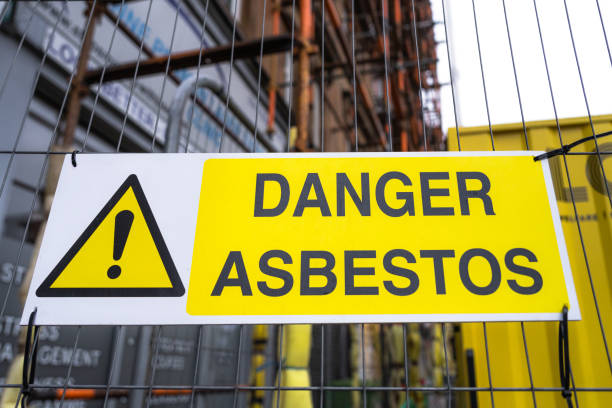
Asbestos-related diseases continue to cast a long shadow over public health worldwide, touching the lives of thousands who’ve encountered this dangerous mineral. The question of whether we can truly prevent these devastating conditions isn’t straightforward, it’s tangled up in issues of exposure control, regulatory effectiveness, and personal protection strategies. Complete prevention sounds achievable in theory: eliminate all exposure, and you eliminate the diseases. But reality tells a different story, one complicated by decades-old building materials, workplace hazards that persist, and environmental contamination that won’t simply disappear.
Contents
Understanding Asbestos Exposure Pathways
Asbestos exposure happens mainly when people breathe in microscopic fibers that escape into the air after materials containing this mineral get disturbed, damaged, or simply break down with age. These fibers are remarkably resilient, they don’t break down easily, which means they can float in the air for long stretches and burrow deep into lung tissue once inhaled. Most commonly, exposure occurs in workplace settings where employees handle or disrupt asbestos-containing materials during construction projects, renovations, demolitions, or routine maintenance work. But there’s more to the story than occupational exposure.
Regulatory Measures and Their Effectiveness
Governments across the globe have rolled out various regulatory frameworks aimed at controlling asbestos use and preventing harmful fiber exposure. Many developed countries have gone all-in with complete bans, no more asbestos mining, manufacturing, or importing, which effectively stops new asbestos materials from entering the market. Workplace safety regulations now demand strict protocols for handling existing asbestos: proper protective gear, air quality monitoring, and specialized training for workers in high-risk jobs. Building codes and renovation permits typically require asbestos inspections and professional removal before any construction work can start in older buildings.
Occupational Safety and Protection Strategies
Workers in construction, shipbuilding, automotive repair, and various manufacturing sectors face heightened asbestos exposure risks, making workplace safety measures absolutely critical for preventing disease. Effective protection strategies start with thorough hazard assessments before anyone begins work that might disturb asbestos materials, then move to engineering controls like ventilation systems and containment barriers, along with work practices designed to minimize fiber release. When other controls can’t completely eliminate exposure, personal protective equipment becomes the last line of defense, properly fitted respirators with adequate filtration, disposable protective clothing, and careful decontamination procedures. Employers need to provide specialized training so workers can spot asbestos hazards, understand proper handling techniques, and know their workplace safety rights.
Challenges in Eliminating Existing Asbestos Materials
Asbestos was used so extensively throughout the twentieth century that we’re now dealing with a massive legacy of hazardous materials woven into buildings, ships, industrial facilities, and infrastructure that’ll remain dangerous for decades ahead. Millions of structures worldwide contain asbestos insulation, floor tiles, ceiling panels, roofing materials, pipe wrap, and countless other products containing asbestos that create potential exposure risks when disturbed or as they gradually age and break down. Removing all existing asbestos materials completely would demand enormous financial resources, specialized expertise, and careful coordination to prevent creating exposure hazards during the removal process. Sometimes materials in good condition can be safely managed in place through encapsulation or containment instead of removal, but this approach requires ongoing monitoring and maintenance to stay safe. Natural disasters, unexpected building collapses, and unauthorized renovation projects can suddenly release asbestos fibers into communities, creating acute exposure events that are nearly impossible to prevent. The slow weathering of asbestos materials in older structures and the inevitable need for renovation or demolition means exposure risks will linger for many more decades, even in countries that banned new asbestos use long ago.
The Role of Public Awareness and Education
Preventing asbestos-related diseases effectively requires that regular people understand asbestos hazards, recognize exposure risks, and know what protective steps they can take to keep themselves and their families safe. Educational programs targeting homeowners, property managers, and renovation contractors can significantly reduce accidental exposure during DIY projects or small renovation jobs. Public awareness campaigns help people identify potential asbestos materials in their homes and understand when they absolutely need professional assessment and removal services rather than tackling it themselves. Community education about asbestos diseases’ long latency periods, which can stretch decades between exposure and when symptoms appear, drives home why avoiding even seemingly minor exposures matters so much.
Conclusion
While preventing asbestos-related diseases completely sounds achievable in theory, just eliminate all exposure, practical realities make total prevention extremely difficult to accomplish anytime soon. Strong regulatory frameworks, solid occupational safety measures, proper management of existing materials, and comprehensive public education all work together to reduce exposure risks and prevent new disease cases. The problem is that legacy asbestos materials remain embedded throughout our built environment, some countries still use asbestos, and unexpected exposure events can happen without warning, meaning vigilant risk management will stay necessary for decades to come. Getting as close as possible to full prevention requires unwavering commitment to strict safety protocols, adequate funding for removal programs, continued research into how exposure happens, and global cooperation to eliminate asbestos use everywhere.
