

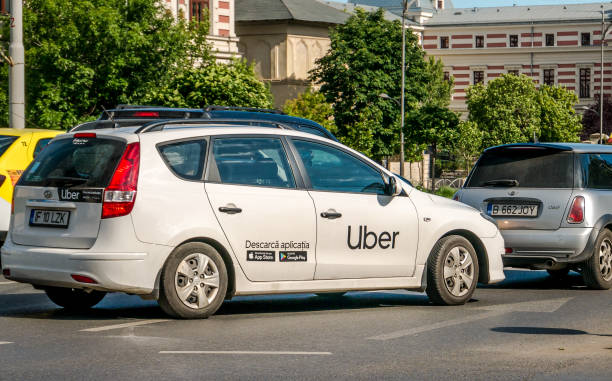
When rideshare accidents happen, many injury victims assume Uber is automatically responsible because the driver was working through the app. However, Uber drivers are generally classified as independent contractors, not company employees. A knowledgeable Uber accident attorney near me will explain that this classification plays a major role in determining liability, insurance coverage, and how compensation is pursued after a rideshare crash.
Understanding how Uber’s contractor model affects your injury claim can help protect your legal rights and prevent insurance companies from using this structure to limit your recovery.
Contents
- 1 What It Means That Uber Drivers Are Independent Contractors
- 2 Why Contractor Status Affects Liability in Uber Accidents
- 3 How Uber Insurance Coverage Works With Contractor Drivers
- 4 Situations Where Uber May Still Share Responsibility
- 5 Why California Law Continues to Debate Rideshare Worker Classification
- 6 How Contractor Status Affects Passenger Injury Claims
- 7 Challenges Victims May Face Because of Contractor Classification
- 8 Evidence That Helps Establish Liability in Uber Contractor Cases
- 9 Why Timing Matters After a Rideshare Accident
- 10 Why an Uber Accident Attorney Near Me Helps Navigate Contractor Liability Issues
What It Means That Uber Drivers Are Independent Contractors
Independent contractors are workers who provide services without being direct employees of a company. Uber drivers typically use their own vehicles, choose their driving schedules, and operate as self-employed service providers using Uber’s platform.
Because drivers are classified as contractors, Uber often argues that it is not directly responsible for driver negligence in the same way a company might be liable for an employee’s actions. This legal distinction changes how accident claims are handled and which insurance policies apply.
Why Contractor Status Affects Liability in Uber Accidents
When a company employs drivers directly, it can often be held legally responsible for employee actions under employer liability laws. This is known as vicarious liability. Because Uber drivers are independent contractors, Uber frequently argues that liability should fall on the driver or other involved parties instead of the company itself.
However, Uber still provides commercial insurance coverage during active rides, which often serves as the primary source of compensation for injured passengers and third-party victims. Determining when Uber insurance applies depends heavily on driver activity within the app.
How Uber Insurance Coverage Works With Contractor Drivers
Uber uses a tiered insurance structure that activates based on driver status. When drivers are offline, their personal auto insurance typically applies. When drivers are logged into the app but waiting for ride requests, Uber provides limited liability coverage. When drivers accept rides or transport passengers, Uber’s full commercial coverage generally becomes active.
This layered coverage exists because Uber drivers are not employees but still provide transportation services through the platform. Determining driver activity during the accident often becomes one of the most important factors in rideshare injury claims.
A skilled Uber accident attorney near me often obtains Uber trip records, GPS data, and digital driver logs to confirm coverage eligibility.
Although Uber classifies drivers as independent contractors, the company may still share responsibility in certain situations. Uber must maintain driver background screening programs, safety monitoring procedures, and insurance compliance requirements.
If Uber fails to properly screen drivers, allows unsafe drivers to remain active on the platform, or fails to maintain required insurance coverage, the company may still face liability claims. These cases often involve investigating Uber’s corporate safety policies and driver monitoring practices.
California has seen ongoing legal debates about whether rideshare drivers should be classified as employees or contractors. Changes in labor laws and ballot measures have influenced how rideshare companies operate and how drivers are legally categorized.
Although current laws generally support contractor classification, legal challenges continue to shape the rideshare industry. These evolving regulations may affect liability rules and insurance coverage in future accident claims.
How Contractor Status Affects Passenger Injury Claims
Passengers injured in Uber accidents are rarely affected negatively by contractor classification. Uber’s commercial insurance coverage typically protects passengers during active rides, regardless of driver employment status.
However, contractor classification can influence how claims are structured and which parties are named in lawsuits. Identifying all responsible parties, including drivers, rideshare insurers, or third-party motorists, helps maximize available compensation.
Challenges Victims May Face Because of Contractor Classification
Insurance companies sometimes use contractor status to argue that Uber itself should not be responsible for accident damages. This can lead to disputes between personal driver insurance carriers, rideshare commercial insurers, and third-party liability insurers.
Victims may face delayed settlements while insurance companies argue over responsibility. Without proper legal guidance, accident victims may struggle to identify all available compensation sources.
Evidence That Helps Establish Liability in Uber Contractor Cases
Rideshare accident claims rely heavily on digital and physical evidence. Police reports, witness statements, vehicle damage analysis, and surveillance footage help establish how the crash occurred.
Uber trip data, driver activity logs, and app communication records often become crucial evidence when determining whether Uber insurance applies. Medical documentation also plays a critical role in demonstrating injury severity and long-term impact.
Evidence in Uber accident claims can disappear quickly. Digital ride records may be overwritten, vehicles may be repaired, and witness memories may fade. Early investigation helps preserve important liability evidence and strengthens insurance claims.
Delays may allow insurance companies to build liability defenses before victims fully understand their rights.
Uber driver contractor classification creates unique challenges in rideshare injury claims. A knowledgeable Uber accident attorney near me helps determine driver activity status, identify all applicable insurance policies, and investigate whether Uber shares responsibility through corporate safety failures or insurance obligations.
At Bojat Law Group, we help rideshare accident victims analyze liability, preserve digital trip data, and pursue compensation through every available insurance source. Our goal is to ensure that contractor classification does not prevent injured victims from recovering full financial compensation.
If you were injured in an Uber accident and have questions about driver classification or insurance coverage, call (818) 877-4878 for a free consultation. We are available 24/7, and you pay nothing unless we recover compensation for you.
