

Before you build a fence, plant a garden, or plan a hike, it helps to know who’s roaming nearby. The kinds of deer found in America aren’t all the same. Some jump higher. Some move in herds. Some prefer thick forests. Others wander right into your backyard without hesitation.
From farmland in Pennsylvania to woodlands in Oregon, deer activity looks different depending on the species, and recognizing those differences can help you make smarter choices about property protection and outdoor planning.
Contents
Why It Pays to Know the Deer in Your Area
When people ask how to keep deer out, most jump straight to fences and repellents. But without first knowing which deer you’re dealing with, even the best fencing plan can fail.
Understanding the kinds of deer found in America isn’t just interesting wildlife trivia; it helps with:
- Choosing the right fence height and material
- Knowing how aggressive or bold deer might be
- Identifying tracks, patterns, or damage around your yard
- Spotting seasonal behavior shifts like mating or migration
Let’s take a closer look at the five most common kinds of deer in the U.S. and what makes each one unique.
1. White-Tailed Deer (Odocoileus virginianus)
White-tails are the classic American deer, slender, fast, and always alert. They’re the kind most likely to visit suburban backyards and are known for their high vertical leap.
If you live east of the Rockies, you’ve likely seen their white flag-like tails as they run off. They can jump up to 8 feet, which is why so many fences fail to stop them.
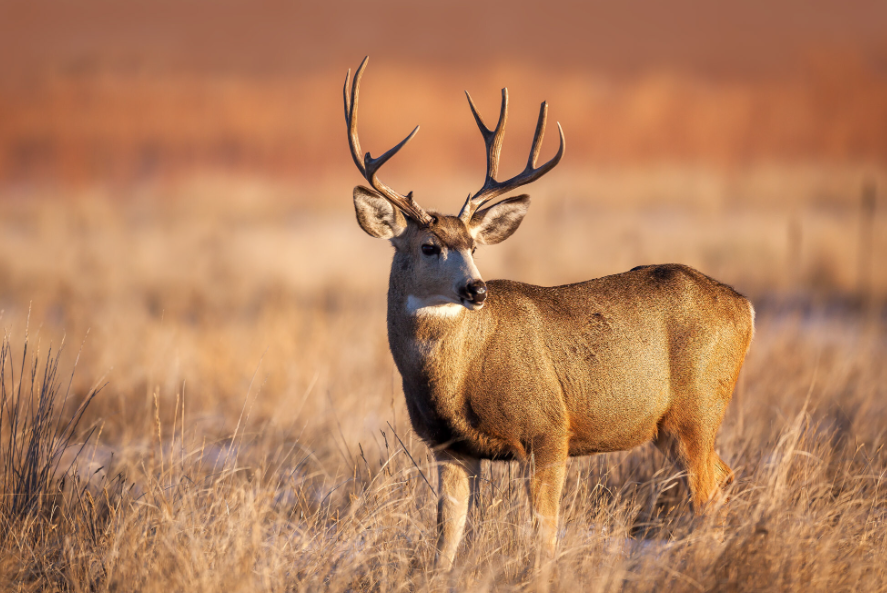
2. Mule Deer (Odocoileus hemionus)
Mule deer are bigger and heavier than white-tails deer, with oversized ears and a slower, bounding gait. While not quite as fast, their strength makes them more likely to push through poorly secured barriers.
If you’re dealing with mule deer, expect bold approaches, especially in winter when food is scarce. Stronger fences and limited open space near fence lines are important.
3. Black-Tailed Deer (Odocoileus hemionus columbianus)
A subspecies of mule deer, black-tails deer are more secretive. They stick to dense woods and often move at dawn or dusk. Smaller than their relatives, they can still jump well and are known for sneaking through gaps or under loose fencing.
If you live near the West Coast, these deer may be hiding in plain sight until your garden disappears overnight.
4. Key Deer (Odocoileus virginianus clavium)
These tiny deer are protected due to their endangered status. While they rarely cause the same damage as larger species, they still visit yards in Florida’s lower Keys, often unafraid of people.
Because they’re federally protected, fencing and deterrent options must follow wildlife guidelines. In many cases, only partial barriers or raised beds are allowed.
5. Sitka Deer (Odocoileus hemionus sitkensis)
A lesser-known species, Sitka deer are hardy, short-legged, and built for colder climates. Their presence matters most to remote landowners, hunters, and forest managers in Alaska and parts of Canada.
While they may not bother many gardens, their patterns are important to track in areas where logging or fencing intersects with wildlife zones.
Spotting the Signs: How to Tell Which Deer Are Around
You don’t need to be a biologist to identify the kinds of deer found in America. Start with these simple clues:
- Hoof prints: Larger, deeper prints often mean mule deer; smaller, sharper ones likely belong to white-tails or black-tails.
- Droppings: Pellets clustered tightly = deer nearby. Size can help identify the species.
- Feeding damage: White-tails often nibble new leaves; mule deer may strip bark or stomp through beds.
- Timing: Some species move at night; others move early in the morning. Motion cameras can help confirm activity.
Final Thoughts: Know Your Deer, Build Smarter Solutions
Knowing the kinds of deer found in America gives you a clearer view of what’s happening on your property. Whether you’re planning a fence, planting crops, or just trying to protect a few flower beds, the type of deer you’re dealing with matters more than most people realize.
The more you understand about their behaviour, habits, and territory, the better you can respond without waste or guesswork. And the more prepared you are, the less likely it is that your hard work disappears overnight.
