

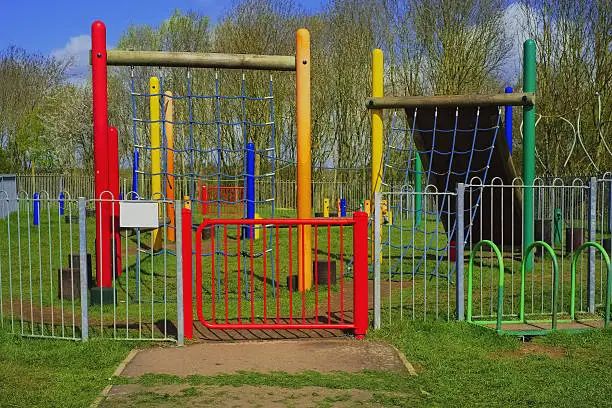
Every child deserves a space where they can laugh, play, and grow safely. Selecting the right playground equipment is not only about choosing colorful slides or adventurous climbing frames; it is about creating a secure environment that nurtures development while minimizing risk. Whether you are a community planner, school administrator, or a parent involved in designing play spaces, understanding how to choose equipment that balances fun with safety is essential. With options ranging from traditional swings to modern spray park features, making informed choices ensures that your playground becomes a reliable haven for years to come.
Contents
Start with an age-appropriate design
The first step in selecting playground equipment is to consider the age group that will be using it. Toddlers, preschoolers, and older children have different physical abilities and safety requirements. For example, equipment for toddlers should feature low platforms, guardrails, and soft surfaces to prevent injuries. In contrast, older children can handle more complex structures, such as rope climbs and interactive panels. Installing separate play zones for different age groups promotes both safety and enjoyment, preventing overcrowding and accidental collisions.
Prioritize safety standards and certifications
Before purchasing any playground equipment, confirm that it meets national safety standards such as ASTM and CSA guidelines. Certified products are rigorously tested to reduce hazards, including entrapment risks, sharp edges, and unstable components. Ensure that the equipment is installed over proper impact-absorbing surfacing such as engineered wood fiber, rubber tiles, or poured-in-place rubber. Adding spray park elements must also comply with slip-resistant flooring and adequate drainage to keep the area secure and clean.
Consider material quality and durability
High-quality materials not only enhance the visual appeal of your playground equipment but also extend its lifespan. Look for UV-resistant plastics, galvanized steel, and powder-coated metal components that resist corrosion and wear over time. Wooden elements should be sealed and splinter-free to avoid injury. When incorporating spray park features, ensure that nozzles and pipes are made from stainless steel or other rust-proof materials, and that all components can withstand repeated exposure to water and sunlight.
Encourage inclusive and accessible play
A truly safe and fun playground accommodates every child, regardless of ability. Choose playground equipment that includes ramps, ground-level play activities, sensory panels, and transfer stations. These features allow children with mobility or sensory challenges to participate alongside their peers. Integrating spray park features such as gentle misting arches or interactive fountains adds a refreshing and inclusive element that children of all abilities can enjoy together.
Factor in maintenance and long-term care
Safety is not a one-time installation but an ongoing responsibility. Select playground equipment that is easy to inspect, clean, and maintain. Create a maintenance schedule to routinely check for loose bolts, surface damage, and worn components. Similarly, spray park systems should be equipped with easy-access filters and control panels for quick servicing and seasonal shutdowns. Regular upkeep not only extends equipment life but also ensures continued safety for all users.
Conclusion: Make fun and safety go hand in hand
Designing a playground is more than just assembling structures—it is about creating a space where children can explore, learn, and build memories without compromising their safety. Thoughtfully selected playground equipment and well-planned spray park features can turn any outdoor space into a thriving, secure haven for children and families alike. With the right planning and adherence to safety guidelines, your playground will offer both excitement and peace of mind for years to come.
