

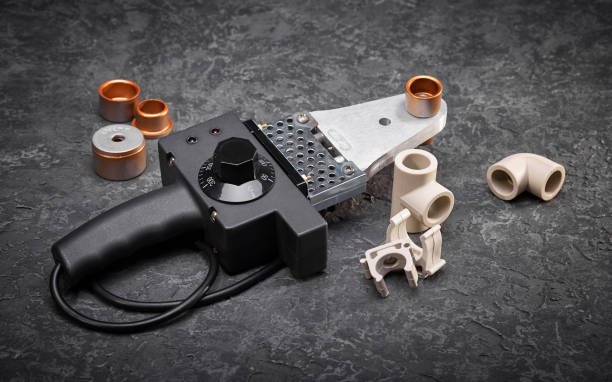
Damaged plastic materials, such as broken car bumpers or leaks in water tanks, are usually dumped in the bin prematurely. Plastic welding is, however, a viable and cost-efficient alternative to replacement. You can accomplish a molecular bond between the repair material and the original object and restore structural integrity, which adhesives can hardly match. The five most frequently used repairs and their approaches are presented here.
1. Bumper and Trim Restoration of automobiles
Polypropylene (PP) or TPO are some of the modern materials used in vehicle bumpers. Their cracking will necessitate a mere glue repair under driving vibration. To fix them, one has to clean the place and then make a channel on the crack, so-called V-groove, and insert a similar rod with a professional instrument. This makes the bumper flexible and, at the same time, firm to sustain everyday road usage.
2. Repair of Broken Kayaks and Canoes
Polyethene (PE) watercraft are notoriously hard to bond using glue due to the substance having low surface energy. This renders them the ideal choice for plastic welding. With a good quality heat gun and PE filler rod, you are able to fuse the crack. Drilling-stopping must be done on the ends of the crack before the heating process to ensure that the crack does not spread further.
3. Air Pollution in Agricultural & Water Tank Leaks
Huge water tanks with UV stabilisation are an expensive undertaking. A leak normally happens either through thermal expansion or as a result of physical impact. This will require professional-grade plastic welding equipment that will provide a deep heat penetration.
4. Washing Machines and Fridges Repairs
High-stress cracks are likely to happen in wheelie bins and vacuum cleaner housings. With a hot air welder, you can repair such plastic sheets and welding products within minutes. In the case of bins, in particular, a reinforcement of the weld line with a stainless steel mesh structure (also known as plastic stapling), then the filler rod is applied to give the bin additional strength against heavy loads and rough treatment.
5. Pipe and Fitting Maintenance in Industry
PVC and HDPE pipes, when used in plumbing and chemical processing, need to be put together in a very precise manner. Butt welding or socket welding involves controlled heat, which is applied to melt the faces of the pipes and then push them together. This makes a smooth weld which is, in many cases, stronger than the pipe.
Summary
Learning to do plastic welding enables amateurs and professionals to increase the lifespan of valuable objects. The trick to permanent, professional-standard repair, however, is selecting the correct temperature and selecting your filler rod to the base material, regardless of whether you are working with automotive parts or industrial containers.
