

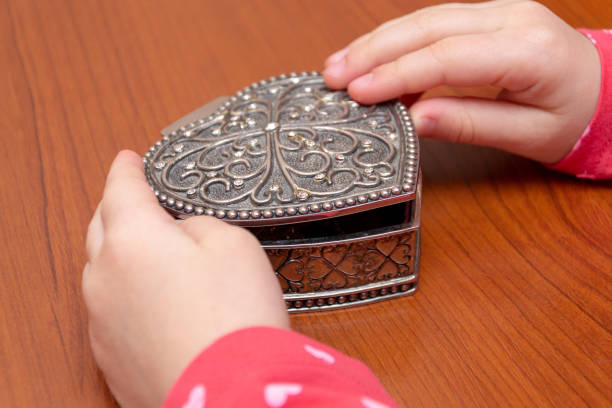
Family heirlooms tell stories that transcend generations. They carry whispers of our ancestors, marking milestones and preserving memories that might otherwise fade with time. Yet many people struggle with creating something truly worthy of being passed down—a piece that will hold meaning decades from now.
The art of creating lasting keepsakes involves more than just selecting beautiful objects. It requires thoughtful consideration of materials, craftsmanship, and the emotional significance that transforms ordinary items into treasured family artifacts. Whether you’re commissioning a custom piece or carefully curating existing items, understanding what makes a keepsake endure is essential.
Creating heirloom-quality pieces starts with intention. The most cherished family keepsakes often commemorate significant life events—weddings, births, graduations, or career achievements. These moments provide natural opportunities to invest in something permanent, something that captures the essence of who we are at pivotal times in our lives.
Understanding What Makes a True Heirloom
Authentic heirlooms share several key characteristics that distinguish them from everyday possessions. First, they must be built to last. This means selecting materials known for their durability and aging gracefully over time. Precious metals, high-quality gemstones, hardwoods, and fine textiles have proven their longevity through centuries of use.
Quality craftsmanship plays an equally important role. Hand-finished details, solid construction techniques, and attention to minute details separate pieces that survive generations from those that deteriorate within decades. Master craftspeople understand how materials behave over time and employ techniques that account for natural wear and aging.
Beyond physical durability, true heirlooms possess emotional resonance. They represent significant relationships, achievements, or family values. A wedding ring symbolizes enduring love, while a family Bible might represent spiritual heritage. These emotional connections give objects their staying power, ensuring family members will continue to cherish and preserve them.
Documentation adds another layer of meaning to potential heirlooms. Recording the story behind each piece—when it was created, why it was chosen, and what it represents—helps future generations understand its significance. Without context, even the most beautiful objects can lose their emotional value over time.
Choosing Materials That Stand the Test of Time
Material selection directly impacts an item’s ability to survive decades or centuries of handling, storage, and environmental changes. Natural materials often age more gracefully than synthetic alternatives, developing character and patina that enhances rather than diminishes their beauty.
Precious metals like gold, silver, and platinum resist corrosion and maintain their appearance with minimal care. These materials have adorned royal families and common folk alike for millennia, proving their enduring appeal. Modern engagement rings for men often incorporate precious metals with unique design elements, creating contemporary pieces with classic staying power.
Gemstones offer another excellent choice for heirloom pieces. Diamonds, sapphires, rubies, and emeralds have captivated humans for thousands of years. Their hardness makes them resistant to scratching and chipping, while their natural beauty remains undiminished by age. Even semi-precious stones like turquoise, garnets, and amethysts can create stunning heirloom pieces when properly set and cared for.
Wood selection matters tremendously for furniture and decorative objects. Hardwoods like oak, cherry, walnut, and mahogany develop rich patinas over time and can withstand decades of use when properly maintained. Exotic woods offer unique grain patterns and colors but require careful consideration of sustainability and long-term availability for repairs.
Natural fibers excel in textile heirlooms. Silk, wool, linen, and cotton maintain their integrity far longer than synthetic materials. High-thread-count fabrics, hand-woven textiles, and items created using traditional techniques often improve with age, becoming softer and more beautiful over time.
The Art of Commissioning Custom Keepsakes
Working with skilled artisans to create custom pieces allows for complete control over every aspect of the final product. This process requires clear communication, patience, and trust in the craftsperson’s expertise. Begin by researching artisans whose work aligns with your vision and whose reputation suggests they can deliver heirloom-quality results.
Provide detailed specifications about your requirements, including size, materials, design elements, and any personal touches you want incorporated. Many craftspeople welcome collaborative relationships, offering suggestions based on their experience while respecting your creative input. This partnership often results in pieces that exceed initial expectations.
Timeline considerations are crucial when commissioning custom work. Quality craftsmanship cannot be rushed, and the best artisans often have waiting lists. Plan major commissions well in advance of intended gift-giving occasions or milestone events. This extra time also allows for revisions or adjustments during the creation process.
Budget appropriately for heirloom-quality work. While initial costs may seem high, dividing the price by the expected lifespan of the piece often reveals excellent value. A wedding ring that costs $3,000 but lasts 60 years costs just $50 per year of enjoyment—less than many people spend monthly on coffee.
Preserving and Maintaining Your Keepsakes
Creating a beautiful keepsake is only the first step; proper care ensures it survives to reach future generations. Different materials require specific maintenance approaches, but some general principles apply across categories.
Environmental control protects most heirloom materials. Stable temperature and humidity levels prevent expansion and contraction that can cause cracking, warping, or other damage. Avoid storing items in attics, basements, or other areas with extreme temperature fluctuations.
Regular gentle cleaning prevents the buildup of dirt, oils, and other substances that can cause long-term damage. Use appropriate cleaning methods for each material—soft cloths for metals, specialized solutions for gemstones, and professional cleaning for delicate textiles.
Professional maintenance schedules help identify potential problems before they become serious. Jewelry should be inspected annually for loose settings or worn prongs. Furniture benefits from periodic refinishing, while textiles may need professional cleaning and storage adjustments.
Insurance and documentation protect against loss while preserving the item’s history. Photograph pieces regularly, maintain detailed records of any repairs or modifications, and update insurance appraisals as values change over time.
Ensuring Your Legacy Lives On
The true test of any keepsake lies not in its initial beauty but in its ability to maintain relevance and meaning across generations. This requires thoughtful consideration of design elements that transcend temporary trends while still reflecting personal style and contemporary sensibilities.
Choose classic proportions and elegant lines over trendy details that may appear dated in future decades. Traditional techniques like hand-engraving, filigree work, or time-honored joinery methods add layers of craftsmanship that future generations will appreciate even if their tastes differ from yours.
Consider versatility in your designs. Jewelry that can be worn with both formal and casual attire, furniture that adapts to different room configurations, or decorative objects that complement various decorating styles increase the likelihood that future owners will continue using and displaying these pieces.
Create accompanying documentation that tells the story behind each keepsake. Include information about the artisan who created it, the inspiration for its design, and the circumstances surrounding its commission or purchase. These stories become part of the item’s value, connecting future generations to their heritage.
Building a collection over time allows for greater impact than single significant purchases. A matched set of items—coordinating jewelry pieces, a suite of furniture, or a series of artworks—creates a more substantial legacy while often providing better value than individual acquisitions.
