

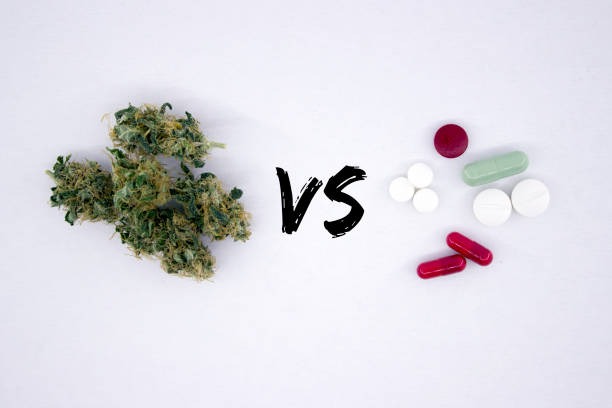
In recent years, cannabis-based products have gone from taboo to mainstream—particularly medical marijuana and CBD (cannabidiol). While they may come from the same plant, these two treatments offer vastly different experiences, effects, and legal implications. So, what sets them apart, and how do you decide which might be better for your needs?
What Is Medical Marijuana?
Medical marijuana refers to the use of the whole cannabis plant—or its extracts—specifically for medical purposes. It typically contains both THC (tetrahydrocannabinol) and CBD, along with other cannabinoids. THC is the compound responsible for the psychoactive effects of marijuana—what many people associate with the feeling of being “high.”
In a medical context, marijuana is used to treat conditions such as:
- Chronic pain
- Nausea and vomiting (especially related to chemotherapy)
- Muscle spasms and spasticity in conditions like multiple sclerosis
- Appetite loss associated with HIV/AIDS
- Certain seizure disorders
Medical marijuana requires a prescription or recommendation from a licensed physician, and its legality varies from state to state. In Florida, residents are required to obtain a Florida medical marijuanas card in order to legally buy medicinal marijuana products.
What Is CBD?
CBD, short for cannabidiol, is a non-psychoactive compound found in cannabis. It is typically derived from hemp, a variety of cannabis that contains 0.3% THC or less—making it legal at the federal level in the United States (though some states impose additional restrictions).
CBD products come in many forms, including oils, tinctures, capsules, gummies, and topical creams. People use CBD to help with:
- Anxiety and stress
- Mild to moderate pain
- Inflammation
- Insomnia
- Epilepsy (especially in children, as with the FDA-approved drug Epidiolex)
Unlike medical marijuana, CBD can be purchased over the counter in many places, although quality and purity can vary widely.
Key Differences Between Medical Marijuana and CBD
| Feature | Medical Marijuana | CBD |
| Contains THC | Yes (often high amounts) | No (or <0.3%) |
| Psychoactive | Yes | No |
| Legal Status | Varies by state | Federally legal (from hemp) |
| Prescription Needed | Yes | No |
| Common Uses | Chronic pain, nausea, seizures, appetite loss | Anxiety, mild pain, inflammation, sleep issues |
| Availability | Dispensaries (with card) | Online, pharmacies, wellness stores |
Which Is More Effective?
This depends entirely on what you’re trying to treat.
- For chronic or severe pain, medical marijuana may be more effective due to the presence of THC, which has strong analgesic effects.
- For anxiety or sleep, many users prefer CBD since it doesn’t cause the psychoactive “high” that THC does.
- For epilepsy, especially in children, CBD is the go-to—specifically FDA-approved formulations like Epidiolex.
- For cancer patients experiencing nausea and appetite loss, medical marijuana may be better suited.
In some cases, a combination of THC and CBD—often referred to as a “full-spectrum” approach—has been shown to offer the best therapeutic results. This is known as the “entourage effect,” where cannabinoids work better together than in isolation.
Side Effects and Safety
- Medical marijuana can cause dizziness, dry mouth, increased heart rate, and impaired memory or motor skills due to its THC content. Long-term use, especially in adolescents, may have cognitive impacts.
- CBD is generally well tolerated, but it can interact with medications and may cause fatigue, diarrhea, or changes in appetite in some users.
Always consult a healthcare provider before starting either, especially if you have existing medical conditions or take other medications.
Which One Should You Choose?
Ask yourself the following questions:
- Do you want to avoid feeling high? Go with CBD.
- Are you treating severe symptoms that haven’t responded to other treatments? Medical marijuana may be more effective.
- Do you need something readily available without a prescription? CBD is your best bet.
- Is your condition covered under your state’s medical marijuana program? That’s the only way to access THC-rich products legally in many states.
Final Thoughts
Medical marijuana and CBD are not one-size-fits-all treatments. They serve different purposes and come with unique benefits and drawbacks. Understanding the differences between them—and how they interact with your body—can help you make an informed decision about which option is best for your personal health needs.
If you’re considering either, start by consulting a healthcare provider familiar with cannabis medicine. With the right guidance, you can find a natural option that fits your lifestyle and medical goals.
